
Automatic Renewal Clause
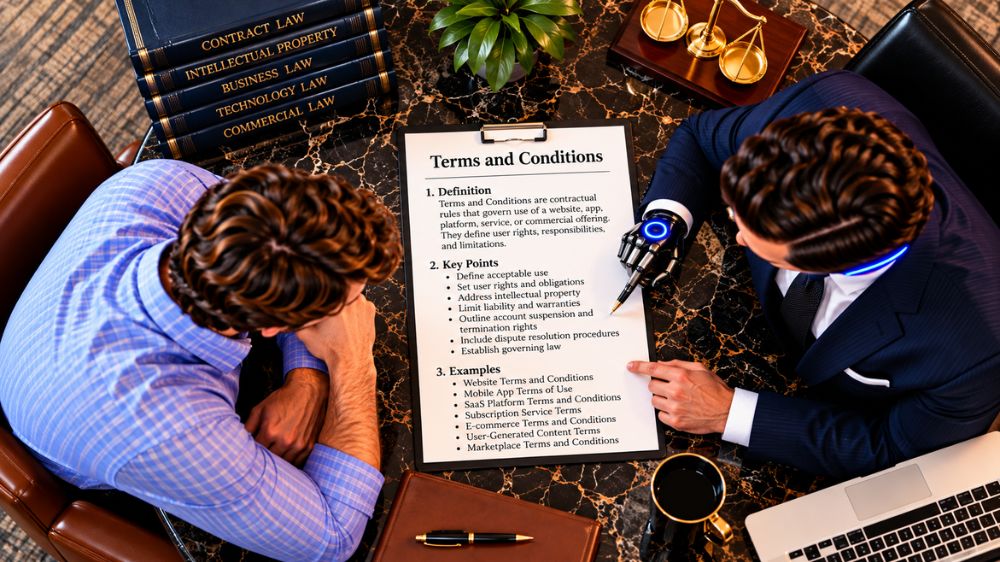
"The shop owner missed the 60-day notice deadline in the automatic renewal clause, and the service contract extended for another year."
What Is an Automatic Renewal Clause?
An automatic renewal clauseAuto Renewal ClauseAn Auto Renewal Clause automatically extends a contract unless a party provides timely cancellation or nonrenewal notice under the agreement and applicable law.View definition extends a contract for another term unless one party takes a specified step to stop the renewal. It is sometimes called an auto-renewal or evergreen clause. These provisions appear in software subscriptions, maintenance contracts, memberships, and recurring service agreements.
For example, a 12-month service agreementService AgreementA service agreement is a contract in which one party agrees to perform services for another party in exchange for payment or other consideration. It commonly covers scope, fees, deliverables, service levels, intellectual...View definition might renew for another year unless the customer sends notice at least 30 days before the end of the current term. Missing that deadline can have financial consequences, subject to the contract and law.
The Federal Trade Commission’s consumer guidance explains how automatic renewals and recurring charges work.
Standard Automatic Renewal Clause — Sample Contract Language
Illustrative language only: "The initial term is 12 months. The agreement renews for successive 12-month terms unless either party delivers written notice of nonrenewal at least 30 days before the then-current term ends."
How Does Automatic Contract Renewal Work?
The agreement sets an initial termRenewal ClauseA Renewal Clause explains whether and how a contract continues after its initial term. It can create automatic or optional renewal, set notice deadlines and renewal periods, change pricing, and interact with consumer...View definition , identifies a renewal period, and describes what each party must do to prevent extension. Some contracts renew month to month. Others repeat an annual term or a shorter fixed period.
The wording may also identify a new price or refer to a pricing notice. Read the full renewal section rather than assuming the original fee and service level will remain unchanged.
Why Do Businesses Use Evergreen Clauses?
Renewal provisions support uninterrupted services. A business may need continuous hosting, customer support, software access, or maintenance. Automatic extension can reduce administrative work when both parties expect the relationship to continue.
However, a convenient default can become a problem when the customer no longer needs the service. Clear reminders and realistic cancellation methods reduce avoidable disputes.
What Is a Nonrenewal Notice?
A nonrenewal notice tells the other party that the contract should end when the existing term expires. The contract may require a particular format, recipient, or delivery method.
For example, notice might need to arrive 45 days before the anniversary date. Sending it to a sales representative may not count if the contract requires delivery to a designated legal email address.
How Do You Calculate the Cancellation Deadline?
Find the term’s end date, then count backward by the notice period stated in the agreement. A contract that ends December 31 and requires 60 days’ notice creates a deadline well before year-end.
Check whether the contract means calendar days or business days, how delivery is measured, and whether a weekend or holiday changes the calculation. Record the exact deadline in a calendar.
Automatic Renewal vs. Contract Extension
An automatic renewalTerms and ConditionsTerms and Conditions are contractual rules governing use of a website, app, service, or commercial offering. They can address accounts, payments, acceptable use, intellectual property, disclaimers, liability, suspension, termination, and dispute procedures.View definition occurs under existing terms without a new affirmative agreement at each cycle. A negotiated extension usually requires the parties to approve a new date or amendment.
Both can continue a business relationship, but the trigger differs. Review our contract law glossary for the larger framework of contractual obligations and modifications.
Does Renewal Mean the Price Stays the Same?
Not necessarily. Some agreements lock the price during renewal periods. Others permit scheduled increases or refer to current published rates. In some circumstances, the provider must give notice or obtain consent before changing charges.
Look for separate pricing, modification, or order-form provisions. A renewal clause can be clear about timing yet vague about the fee that will apply after renewal.
Can a Free Trial Automatically Become Paid?
Yes, some offers automatically convert to paid subscriptions unless the customer cancels. The business should clearly disclose the timing, price, recurrence, and cancellation mechanism as applicable law requires.
The FTC describes these arrangements as a type of negative-option marketing because a customer’s failure to act can lead to charges. Review the actual offerOffer and AcceptanceOffer and Acceptance describes how parties manifest mutual assent to a contract. A valid offer gives another party power to accept, while acceptance must objectively communicate assent through an authorized method, subject to...View definition , not just the advertisement headline.
Are Automatic Renewal Clauses Legal?
They can be lawful, but the enforceability and disclosure requirements depend on the transaction and jurisdictionLegal DisputeA legal dispute is a disagreement or controversy involving claimed legal rights, duties, liabilities, property, or remedies. It can be resolved through negotiation, mediation, arbitration, administrative proceedings, litigation, or settlement depending on the...View definition . Consumer and business-to-business deals may face different requirements. Some state laws address conspicuous terms, advance reminders, consent, and cancellation access.
Federal requirements also evolve. For current regulatory context, see the FTC’s Negative Option Rule information page. Do not assume that a rule announced in an older article remains in force unchanged.
What Are Negative-Option Subscription Terms?
A negative-option arrangement allows recurring billing based on an earlier authorization unless the customer declines or cancels. Automatic renewals and free-to-paid conversions are familiar examples.
For online consumer subscriptions, federal law may impose disclosure, consent, and cancellation obligations. State laws can add requirements. A provider should review the rules that apply to its customers and business model.
Can a Customer Cancel After Renewal?
Sometimes, but the consequences depend on the service, contract, and applicable protections. An annual business contract may impose obligations for the renewed term. A consumer subscription may offer different statutory rights or cancellation options.
Do not confuse canceling future renewal with terminating the current term early. Those may involve separate notices and fees.
What Is an Automatic Renewal Clause Example?
Illustrative language only: “The initial term is 12 months. The agreement renews for successive 12-month terms unless either party delivers written notice of nonrenewalTermination ClauseA Termination Clause defines when and how parties can end a contract, including cause, convenience, notice, cure periods, fees, and effective dates. Strong clauses also address accrued payments, surviving obligations, confidentiality, data return,...View definition at least 30 days before the then-current term ends.”
A complete clause should also address pricing, delivery of notice, any required reminders, changes to service, and applicable legal safeguards. This sample is not a substitute for jurisdiction-specific drafting.
Why Does the Notice Address Matter?
Contracts sometimes require notice to a legal department or account portal instead of an ordinary support inbox. A party that sends a cancellation request through the wrong channel may later face a dispute about whether notice was effective.
Look for the general notices provision in the service agreement. Save confirmation numbers, emails, and screenshots of any completed cancellation steps.
What Happens When a Provider Changes Its Terms?
A provider may reserve a right to change price, features, or standard conditions, but that right is subject to the agreement and applicable law. A customer should review how much notice is required and whether it may decline a change before renewal.
Read the terms and conditions alongside the order formMaster Service Agreement (MSA)A Master Service Agreement, or MSA, sets recurring legal and commercial terms for an ongoing service relationship. The parties can then use SOWs, order forms, or schedules for project-specific scope, pricing, deliverables, and...View definition . Different documents may specify different effective dates or cancellation windows.
How Can Businesses Manage Renewal Risk?
Maintain a central list of vendor contracts with their start dates, renewal dates, notice periods, owners, and yearly costs. Add reminders sufficiently early to evaluate whether the service remains useful.
For high-value contracts, assign a person to review performance, pricing, and alternatives before the notice cutoff. A contract repositoryContract Lifecycle ManagementContract Lifecycle Management, or CLM, manages contracts from request and drafting through negotiation, approval, execution, storage, obligation tracking, renewal, and termination. CLM software can automate workflows, metadata, alerts, reporting, and integrations.View definition is most useful when someone also owns the decision.
Common Automatic Renewal Clause Red Flags
- A long renewal period paired with an unusually early notice deadline.
- No clear contact point or channel for nonrenewal.
- Unexplained price increases after the introductory term.
- Conflicting renewal dates across order forms and standard terms.
- Cancellation language hidden in documents that are hard to access.
- No explanation of what happens to data or prepaid fees when service ends.
How Can a Customer Negotiate an Auto-Renewal Clause?
Consider shorter renewal terms, reciprocal cancellation rights, reasonable notice periods, advance reminders, and limits on price increases. The right terms depend on implementation costs and the value of uninterrupted service.
For a critical service, plan what happens at the end of the relationship. Data export, transition support, and service continuity may matter more than the length of the renewal period.
Can AI Help Track Contract Renewals?
AI document analysis can identify term dates, renewal periods, notice windows, and pricing language. That information can support a contract register and surface mismatches between an order form and master agreement.
Still, automatically extracted dates and legal requirements need confirmation. Keep the original contract available for review and check jurisdiction-specific renewal rules separately.
Frequently Asked Questions About Automatic Renewal Clauses
Is an evergreen clause the same as automatic renewal?
Often, yes. Both describe a relationship that continues unless a party acts to stop it, although the precise wording can vary.
Can a subscription renew without a new signature?
It may renew under a previously accepted agreement, subject to applicable consent, disclosure, and cancellation laws.
What if I miss the nonrenewal deadline?
Review the agreement and relevant legal protections. You may need to negotiate an exit or assess whether the renewal provision is enforceable.
Does an automatic renewal clause require a reminder?
Requirements vary by jurisdiction, contract type, and circumstances. Check current law rather than assuming every renewal has the same notice rule.
Key Takeaway
An automatic renewal clause can preserve continuous service, but its financial impact turns on term length, notice timing, price changes, and cancellation procedures. Read those details before signing and track the deadlines.