
Direct Examination
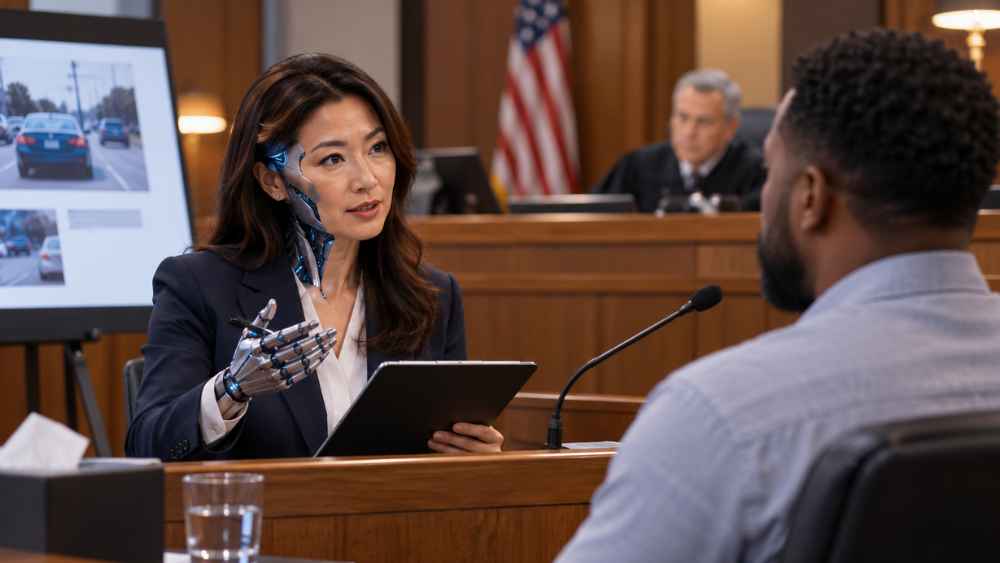
“During Direct Examination, counsel asked the eyewitness where she stood, what she observed, and what happened immediately before the collision.”
What Is Direct Examination?
Direct Examination is questioning of a witness by the party that called the witness.
Its purpose is to present testimony supporting that party’s case.
Therefore, direct examination usually builds the factual record before cross-examination. See Federal Rule of Evidence 611.
Standard Direct Examination — Sample Contract Language
Suppose an eyewitness saw a collision from a nearby sidewalk.
Who Conducts Direct Examination?
The lawyer or party who calls the witness ordinarily conducts direct examination.
A self-represented partyPro SePro se means representing oneself in court without a lawyer. Self-represented litigants remain responsible for court rules, deadlines, service, evidence, and other procedural obligations.View definition can also question a witness.
Therefore, the examiner usually presents favorable testimony through open questions.
Are Leading Questions Allowed?
Rule 611(c) generally discourages leading questionsCross ExaminationCross Examination is questioning of a witness by an opposing party after direct examination. Federal Rule 611 generally permits leading questions and allows inquiry into the subject of direct testimony and credibility, while...View definition on direct examination.
Judges can allow leading questions when needed to develop testimony.
Therefore, judges retain discretion over question form.
When Are Leading Questions Commonly Allowed?
Judges can allow them for preliminary matters, children, memory problems, hostile witnesses, adverse parties, or aligned witnesses.
The exact use depends on context.
Therefore, the rule is flexible rather than absolute.
What Is an Open-Ended Question?
An open-ended question invites a witness to explain facts in the witness’s own words.
Examples include asking what happened next or what the witness observed.
Therefore, open questions reduce suggestiveness.
What Is Foundation?
FoundationAdmissible EvidenceAdmissible Evidence is evidence a court permits the judge or jury to consider. In federal court, admissibility commonly depends on relevance, Rule 403 balancing, authentication, foundation, hearsay rules, privilege, witness competence, and other...View definition establishes why a witness has personal knowledgeAffidavit DefinitionAn affidavit is a written statement of facts made under oath or affirmation before a person authorized to administer oaths. The signer, called the affiant, swears that the stated facts are true, subject...View definition and why evidence is admissible.
Foundation can address perception, authentication, expertise, or other prerequisites.
Therefore, good direct examination often establishes foundation before substance.
What Is Personal Knowledge?
Rule 602Direct EvidenceDirect Evidence proves a fact without requiring an additional inference about that fact. Examples can include eyewitness testimony, admissions, recordings, photographs, contracts, and other evidence that directly addresses the disputed issue.View definition generally requires a witness to testify from personal knowledge.
The examiner can establish where the witness was and what the witness perceived.
Therefore, direct testimony should connect the witness to the facts.
Can Documents Be Used on Direct?
Yes. Counsel can authenticate documents, photographs, messages, records, or physical exhibits through a witness.
Other evidence rules still govern admissibilityRelevanceRelevance asks whether evidence tends to make a consequential fact more or less probable. Federal Rules 401 and 402 establish the basic threshold, while Rule 403 permits exclusion when specified dangers substantially outweigh probative value.View definition .
Therefore, exhibit questions should address foundation and relevance.
Can a Witness Use Notes?
A witness can sometimes use a writing to refresh memory under Rule 612.
The writing itself does not automatically become evidence.
Therefore, refreshing recollection differs from admitting a document.
What Is Expert Direct Examination?
Expert direct examination usually establishes qualifications, methods, opinions, and the basis for those opinions.
Rule 702Expert WitnessAn expert witness is a person qualified by specialized knowledge, skill, experience, training, or education to provide expert testimony. In federal court, Rule 702 requires reliable, helpful testimony supported by sufficient facts or...View definition governs expert admissibility.
Therefore, the testimony should connect reliable methods to case facts.
What Is Redirect Examination?
Redirect follows cross-examination and lets the calling party address issues raised on cross.
Courts often limit redirect to those new matters.
Therefore, redirect is distinct from the original direct examination.
Can the Judge Control Direct Examination?
Yes. Rule 611 directs judges to control witness examination for truth, efficiency, and witness protection.
The judgeJudgeA Judge is a judicial officer who presides over legal proceedings, applies law, manages procedure, rules on motions and evidence, and issues orders or judgments. Trial, appellate, Article III, magistrate, bankruptcy, and state...View definition can limit repetitive or harassing questions.
Therefore, trialLawsuitA lawsuit is a legal dispute brought before a court for a decision or remedy. Civil lawsuits can involve pleadings, service, discovery, motions, settlement, trial, judgment, and possible appeal.View definition management affects presentation.
What Objections Commonly Arise?
Common objections include leading, hearsay, relevance, speculation, lack of foundation, and asked-and-answered.
The governing rules determine whether the objectionObjectionAn Objection is a formal challenge to evidence, testimony, questions, argument, or procedure. Under Federal Rule of Evidence 103, timely and specific objections can prevent inadmissible evidence and preserve evidentiary issues for appeal.View definition succeeds.
Therefore, direct examination must anticipate evidence law.
Direct Examination Example
Suppose an eyewitness saw a collision from a nearby sidewalk.
Counsel asks where the witness stood, what the witness saw, and what happened next.
Therefore, the witness supplies firsthand facts without counsel suggesting the desired answerCivil LitigationCivil Litigation is the court process for resolving noncriminal disputes through pleadings, motions, discovery, settlement, trial, judgment, and possible appeal. Federal civil litigation follows the Federal Rules of Civil Procedure, while state systems...View definition .
Why Does Direct Examination Matter?
Direct examination gives a party its main opportunity to tell the case through supporting witnesses.
Clear organization and admissible questions improve credibility.
Therefore, effective direct examination combines storytelling with evidence rules.