
Fair Use
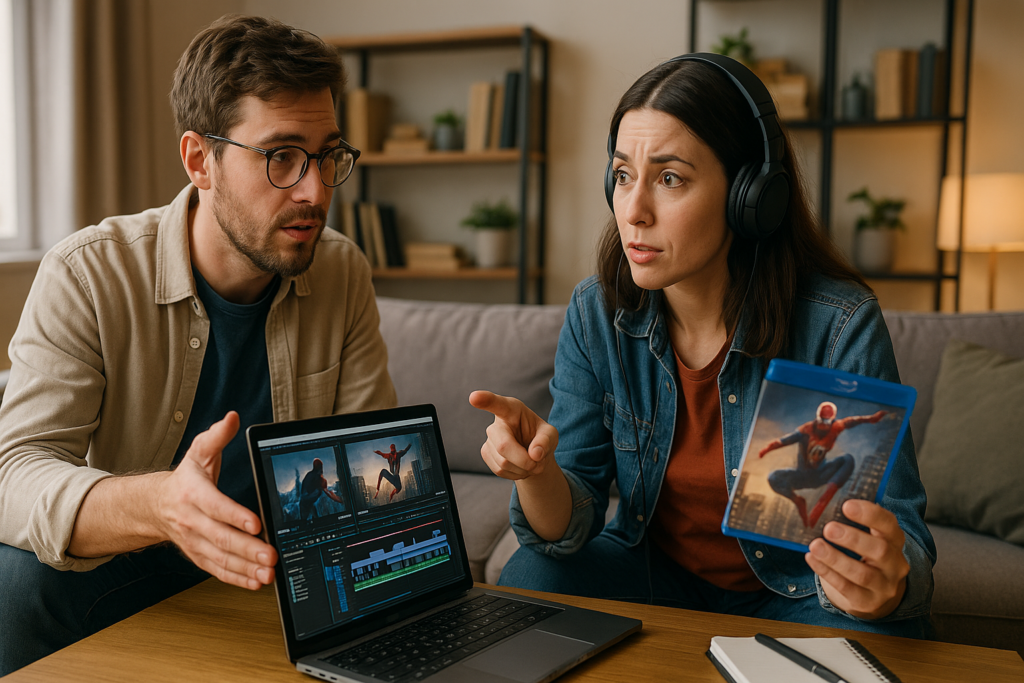
“The critic argued that using a short film clip was fair use because the clip appeared only as part of detailed commentary and analysis.”
What Is Fair Use?
Fair useCopyright InfringementCopyright infringement occurs when someone violates an exclusive copyright right without authorization or another valid legal basis. Claims can involve copying, derivative works, distribution, performance, display, or secondary liability, subject to defenses and...View definition is a legal doctrineBlack Letter LawBlack letter law means established legal rules that are widely recognized and relatively settled. The phrase describes doctrinal certainty, but lawyers still need controlling authority for the relevant jurisdiction.View definition that can allow limited use of copyrighted material without permission. It is part of federal copyright lawCopyright DefinitionCopyright is legal protection for original works of authorship fixed in a tangible medium. It can protect books, music, films, software, photographs, and other creative expression while leaving ideas, facts, and methods outside...View definition .
Fair use is determined case by case. Therefore, there is no automatic safe percentage, word count, or clip length.
Section 107 of the Copyright Act lists four factors courts consider. See 17 U.S.C. § 107.
Standard Fair Use — Sample Contract Language
Suppose a film critic uses a short movie clip while analyzing the director’s editing choices. The clip appears only during the specific commentary.
Why Does Fair Use Exist?
Fair use balances copyright protection with socially valuable uses of expression. It can support criticism, comment, news reporting, teaching, scholarship, and research.
However, those purposes do not automatically make a use fair.
Therefore, courts still apply the four statutory factors.
What Are the Four Fair Use Factors?
Courts consider four statutory factors together. No single factor always controls.
- Purpose and character: Why and how the copyrighted work is used.
- Nature of the work: The character of the original copyrighted work.
- Amount used: How much was taken and how important that portion was.
- Market effect: How the use affects the potential market for the original.
Therefore, fair use requires a context-specific balancing analysis.
What Is the First Fair Use Factor?
The first factor examines the purpose and character of the use. Courts can consider whether the use has a different purpose or character.
Commercial use can weigh against fair use in some circumstances. However, commercial status alone does not decide the case.
In addition, nonprofit or educational use is not automatically fair.
What Does Transformative Use Mean?
A transformative use adds a different purpose, meaning, or message in a legally relevant way. Courts often consider transformation under the first factor.
For example, commentary that analyzes a quoted passage may use the material for a different purpose.
However, simply repackaging the same expression may offerOffer and AcceptanceOffer and Acceptance describes how parties manifest mutual assent to a contract. A valid offer gives another party power to accept, while acceptance must objectively communicate assent through an authorized method, subject to...View definition little transformation.
What Is the Second Fair Use Factor?
The second factor considers the nature of the copyrighted work. Highly creative works often receive stronger protection than factual works.
For example, copying from a novel can raise different concerns from copying factual material.
In addition, publication status can matter.
What Is the Third Fair Use Factor?
The third factor considers the amount and substantiality of the portion used. Courts look at quantity and qualitative importance.
For example, copying a small but central part can still weigh against fair use.
Therefore, there is no universal percentage that guarantees fair use.
What Is the Heart of the Work?
The heart of the work refers to a particularly important or valuable portion. Taking the heart can matter even when the excerpt is short.
Therefore, courts examine both how much was used and what was used.
What Is the Fourth Fair Use Factor?
The fourth factor considers the effect of the use on the potential market. Courts can examine whether the use substitutes for the original.
For example, distributing a full copy can reduce demand for authorized copies.
However, criticism that harms demand because people dislike the original raises a different issue.
Does Commercial Use Defeat Fair Use?
No. Commercial use does not automatically defeat fair use.
For example, a commercial publication can still make a fair use for criticism or commentary. However, profit motive can remain relevant.
Therefore, the entire first-factor analysis matters.
Does Educational Use Automatically Qualify?
No. Educational purpose can support fair use, but it does not guarantee the result.
For example, classroom copying can still be excessive. The amount, market effect, and other factors remain important.
Therefore, schools and teachers must still consider all four factors.
Can News Reporting Be Fair Use?
Yes, news reporting can support fair use. However, news organizations do not receive an automatic exemption.
For example, quoting part of a document to explain a public event can support fair use. Republishing the entire work may raise different concerns.
Can Criticism and Commentary Be Fair Use?
Yes. Criticism and commentary are expressly identified in Section 107 as examples of potentially fair uses.
For example, a reviewer may quote a limited passage to explain criticism. The amount used should fit the commentary purpose.
However, the statutory factors still control.
Can Parody Be Fair Use?
Parody can qualify for fair use when it comments on or targets the original work. The parody may need to evoke enough of the original to make its point.
However, satire that uses a work to comment on something else can receive different treatment.
Therefore, the relationship between the new work and original matters.
Can You Use a Copyrighted Image Under Fair Use?
Sometimes. Image use can qualify when the four factors support fair use.
For example, using an image in criticism or analysis can favor fair use. Using the same image merely as decoration can be weaker.
Therefore, purpose and market substitution matter greatly.
Can You Use Music Under Fair Use?
Sometimes. Music can be used fairly in criticism, commentary, teaching, or other contexts.
However, songs are highly creative works. In addition, using the most recognizable part can weigh against fair use.
Therefore, music uses require careful analysis.
Can You Use Video Clips Under Fair Use?
Sometimes. A short clip can support commentary, review, or analysis.
However, clip length alone does not decide the issue. The purpose, importance, and market effect still matter.
Therefore, there is no automatic number of seconds that is always safe.
Is There a 10 Percent Fair Use Rule?
No. U.S. copyright law does not create a universal 10 percent fair-use rule.
Similarly, there is no automatic safe number of words, pages, seconds, or notes.
Therefore, percentage rules should not replace the statutory analysis.
Does Giving Credit Make a Use Fair?
No. Attribution does not automatically create fair use.
Giving credit can be good practice. However, copyright permission and fair use are separate questions.
Therefore, a credited use can still infringe copyright.
Does a Disclaimer Create Fair Use?
No. A disclaimerDisclaimerA disclaimer is language intended to limit or qualify warranties, representations, responsibility, reliance, or liability, subject to contract and statutory limits.View definition such as “no copyright intended” does not create a legal defense.
Courts examine the actual use under copyright law. Therefore, labels cannot replace the four-factor analysis.
Fair Use vs. Public Domain
Fair use permits certain uses of copyrighted material. Public domainPublic DomainThe Public Domain includes works and material not protected by copyright because protection expired or never applied. Public-domain status can depend on publication date, authorship, country, government origin, and whether a later edition...View definition material is not protected by copyright.
Therefore, public-domain material generally does not require a fair-use defense.
However, new protected material can sometimes be added to a public-domain work.
Fair Use vs. Permission
Permission comes from the copyright owner or an authorized licensorLicensing AgreementA Licensing Agreement is a contract granting permission to use specified property, technology, or intellectual property while the licensor generally retains ownership. Key terms commonly address scope, exclusivity, territory, term, royalties, sublicensing, quality...View definition . Fair use is a legal limitation that does not require permission.
Therefore, a user may choose to seek a license even when fair use is possible.
Licensing can reduce uncertainty in some situations.
Fair Use vs. Creative Commons
Creative Commons licenses are standardized permission tools. They allow uses under stated license conditions.
Fair use is different because it comes from copyright law rather than a private license.
Therefore, a Creative Commons license can provide permission without relying on fair use.
How Do Courts Analyze Fair Use?
Courts weigh all four statutory factors in context. They also consider relevant precedentMajority OpinionA majority opinion states the reasoning and result supported by more than half of the judges participating in an appellate decision and can provide binding precedent.View definition .
No mathematical formula decides the outcome. Therefore, similar uses can produce different results when facts differ.
Can Fair Use Be Decided Before Trial?
Sometimes. Courts can decide fair use on summary judgmentMotion to DismissA motion to dismiss asks a court to end all or part of a case because of a legal or procedural defect. In federal civil cases, Rule 12 lists grounds including jurisdiction, venue,...View definition when material facts are not genuinely disputed.
However, fact disputes can require further proceedings.
Therefore, fair use can be both a legal and fact-sensitive issue.
Who Has the Burden of Proving Fair Use?
Fair use is generally treated as an affirmative defenseAffirmative DefenseAn Affirmative Defense can defeat or reduce liability even when the opposing party proves the basic claim. Federal Rule 8(c) requires defendants to affirmatively state listed avoidances and other defenses that substantive law...View definition . Therefore, the party relying on fair use usually bears the burden of establishing it.
However, procedural details can depend on the case.
What Is the Copyright Office Fair Use Index?
The U.S. Copyright Office maintains a Fair Use Index summarizing selected court decisions. It can help researchers understand how courts applied the factors.
However, the index does not provide legal advice or automatic answers.
See the Copyright Office Fair Use Index.
Fair Use Example
Suppose a film critic uses a short movie clip while analyzing the director’s editing choices. The clip appears only during the specific commentary.
That use may support fair use because the purpose is critical analysis. However, all four factors still require review.
Using the full movie instead would create a very different analysis.
Why Does Fair Use Matter?
Fair use allows copyright law to accommodate criticism, education, research, commentary, and other valuable expression. Therefore, it is an important limitation on exclusive rights.
However, fair use is not a blanket permission rule. It depends on the actual purpose, work, amount, and market effect.
The key question is not whether the use feels fair. The question is how the four statutory factors apply.