
Audit Rights Clause
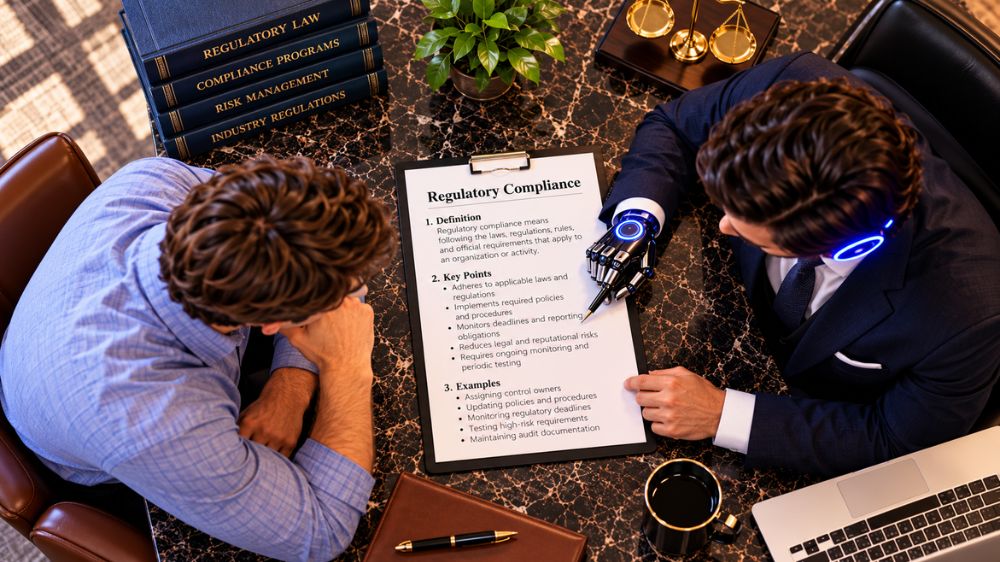
"The software vendor allowed one annual compliance audit under its audit rights clause, subject to advance notice and security safeguards."
What Is an Audit Rights Clause?
An audit rightsLicensing AgreementA Licensing Agreement is a contract granting permission to use specified property, technology, or intellectual property while the licensor generally retains ownership. Key terms commonly address scope, exclusivity, territory, term, royalties, sublicensing, quality...View definition clause grants one party a defined right to examine records, systems, or processes related to a contract. The purpose is usually to verify pricing, performance, compliance, royalties, or another agreed obligation.
For example, a business paying software licensingSoftware License AgreementA Software License Agreement defines permitted software use, restrictions, license metrics, IP rights, warranties, liability, support, and termination.View definition royalties may want to review the records used to calculate reported sales. A customer working with a data processorData ProcessorA Data Processor processes personal data on behalf of a controller under GDPR terminology. Processors must follow documented instructions, maintain security, control subprocessors, support rights and DPIAs, notify controllers of breaches, maintain required...View definition may request evidence of agreed security practices.
Standard Audit Rights Clause — Sample Contract Language
Illustrative wording only: "On at least 15 business days' written notice, Customer may, no more than once in any 12-month period, appoint an independent auditor bound by confidentiality to examine records reasonably necessary to verify Vendor's compliance with the billing obligations under this Agreement, during normal business hours and without unreasonable disruption."
Why Do Contracts Include Audit Rights?
Parties cannot always directly observe the activity they pay for or depend on. Audit provisions provide a structured way to examine supporting evidence. They may also encourage accurate reporting and better recordkeepingRegulatory ComplianceRegulatory compliance means following the laws, regulations, rules, and official requirements that apply to an organization or activity. Effective compliance programs identify obligations, assign responsibility, implement controls, monitor performance, and correct problems.View definition .
However, an audit can be disruptive and expose sensitive informationSensitive DataSensitive data is information requiring heightened protection because misuse or exposure can create significant privacy, discrimination, financial, or safety risks.View definition . A balanced clause defines what can be reviewed, who may review it, and how the results can be used.
What Types of Contracts Use Audit Clauses?
Audit language appears in vendor agreements, licensing deals, franchising contracts, construction projects, public procurement, data processing arrangements, and some revenue-sharing transactions.
- RoyaltyCopyright LicenseA Copyright License grants permission to exercise specified copyright rights while ownership can remain with the licensor. Exclusive and nonexclusive licenses differ in legal effect, writing requirements, transferability, and enforcement.View definition agreements: verify units sold or revenue reported.
- Service contracts: inspect agreed operational or security controls.
- Cost-based work: verify expenses charged under the contract.
- Data processing: evaluate evidence of processorData SubjectA Data Subject is an identified or identifiable natural person to whom personal data relates under the GDPR. Data subjects can be customers, employees, applicants, users, children, or other individuals, and they receive...View definition compliance duties.
What Records May Be Inspected?
The clause might identify invoices, timesheets, accounting ledgers, transaction reports, policies, certifications, logs, or supporting calculations. The permitted scope should match the obligation being checked.
A customer auditing a subscription bill may need usage reports, not unrestricted access to the vendor’s entire financial system. A useful clause avoids fishing expeditions while allowing meaningful verificationVerified ComplaintA verified complaint is a complaint accompanied by a sworn verification or declaration under penalty of perjury confirming specified factual allegations.View definition .
Can an Audit Clause Cover Cybersecurity?
Yes. Technology agreements sometimes provide access to security certifications, independent assurance reports, policy summaries, or assessments of specific controls. Direct system testing may require additional authorization and operational safeguards.
Specify what evidence will be accepted and whether independent reports can satisfy routine requests. Production-system access should be managed carefully because it can create security and availability risks.
How Do Data Protection Laws Affect Audit Rights?
Some laws impose specific requirements in certain processor relationships. Under the EU GDPRData PrivacyData privacy concerns how personal information is collected, used, shared, retained, and controlled. It includes transparency, data minimization, individual rights, vendor management, security, retention, and compliance with laws such as GDPR, CCPA, and...View definition , Article 28(3)(h) addresses making information available to demonstrate compliance and allowing and contributing to audits and inspections in the relevant processing arrangement.
See the official GDPR text on EUR-Lex. The exact obligations and practical audit arrangements require review in context, including confidentialityEmployment ContractAn employment contract is an agreement defining terms of an employer-employee relationship. It can cover duties, compensation, benefits, equity, confidentiality, intellectual property, restrictive covenants, termination, severance, and dispute procedures while remaining subject to...View definition and security.
Who Can Conduct the Audit?
A clause may allow the customer, an independent accounting firm, a qualified security assessor, or another designated representative to inspect relevant records. It may require the auditor to be independent and bound by confidentiality obligationsConfidentiality ClauseA Confidentiality Clause limits how specified nonpublic information may be used or disclosed. Strong clauses define protected information, exclusions, permitted recipients, legal-disclosure exceptions, duration, return or destruction duties, and available remedies.View definition .
Consider conflicts of interest, technical qualifications, and access to competitor-sensitive information. The agreement can give a vendor reasonable grounds to object to an inappropriate auditor.
How Often Can a Party Request an Audit?
Some commercial contracts limit routine audits to once per year and allow additional reviews after a significant discrepancy, material incident, or regulatory request. Other arrangements use more frequent reporting instead of recurring on-site inspections.
The schedule should reflect actual risk and burden. An annual certification may suit a low-risk supplier, while a complex regulated relationship could require a different approach.
How Much Advance Notice Is Reasonable?
Many audit clauses require advance written notice, except for specified urgent circumstances. The appropriate period depends on the size of the organization, the type of information requested, and the operational impact.
For instance, a vendor may need time to arrange secure document access and staff availability. The clause should also address business hours, remote audits, and whether reasonable postponements are permitted.
Who Pays for a Contract Audit?
The clause may require the requesting party to cover ordinary audit expenses. Some agreements shift defined costs when an audit uncovers a material underpayment or other specified failure.
State the threshold and calculation method if cost-shifting applies. A poorly defined rule can turn a straightforward record review into an additional payment dispute.
Can Audit Rights Include Third-Party Records?
Sometimes, but access to subcontractors’ or cloud providers’ records requires careful drafting. A contracting party may not control every underlying record or possess authority to disclose confidential third-party materials.
Consider flow-down terms, redacted reports, independent attestations, and procedures for obtaining permission. The agreement should avoid promising unrestricted rights that the vendor cannot deliver.
How Do Audit Clauses Protect Confidential Information?
Audits often involve payroll, pricing, customer details, security controls, or proprietary methods. The contract can require nondisclosure, access controls, restricted copying, and secure deletion of audit materials after the review.
Use the data processing agreement and confidentiality obligations to coordinate how personal dataPersonally Identifiable Information (PII)Personally Identifiable Information (PII) is information that can distinguish or trace an individual’s identity alone or with other linked or linkable information. Common examples include identifiers, contact details, biometrics, financial information, health information,...View definition and other sensitive materials are handled during the audit.
What Can Be Learned From Government Audit Clauses?
Federal procurement provides a concrete example of defined audit rights. The FAR 52.215-2 audit and records clause describes circumstances in which certain government contractors must maintain and make specified records available for examination.
That federal clause is not a universal rule for private contracts. It illustrates the value of defining covered records, access conditions, and retention periods.
What Happens if an Audit Finds an Underpayment?
The contract may provide for recalculation, repayment, interest, correction of reports, or reimbursement of qualifying audit costs. Any remedyCause of ActionA Cause of Action is a recognized set of legal elements supporting a right to judicial relief. Its elements can arise from statutes, constitutions, regulations, or case law, and the claimant generally must...View definition should match the actual discrepancy and the agreed process.
For example, a royalty audit might identify a reporting error affecting two quarters. The clause should explain how the parties resolve the difference and handle future reporting without unnecessarily escalating a small mistake.
Can a Vendor Refuse an Audit Request?
A vendor may have contractual grounds to object if a request falls outside the permitted scope, frequency, timing, or confidentiality safeguards. Mandatory legal duties can also affect what must be provided.
Instead of refusing reflexively, identify the specific issue and propose a compliant alternative where appropriate. A narrow request, redacted evidence, or independent assessor may address legitimate concerns.
Audit Rights Clause Example
Illustrative wording only: “On at least 15 business days’ written notice, Customer may, no more than once in any 12-month period, appoint an independent auditor bound by confidentiality to examine records reasonably necessary to verify Vendor’s compliance with the billing obligations under this Agreement, during normal business hours and without unreasonable disruption.”
This sample needs tailoring for security incidents, legally required audits, costs, retention, findings, and remedies. It does not grant general access to unrelated records.
What Is a Record Retention Period?
A record retention period specifies how long the party must keep evidence that may be needed for audits or other purposes. The length may depend on contractual requirements, applicable law, and operational realities.
Align audit rights with retention periods. An agreement should not permit an audit years after termination while authorizing destruction of every relevant record much earlier, unless another practical evidence method exists.
How Do Audit Rights Work After Termination?
Some agreements permit audits of earlier contract periods for a limited time after services end. This can help reconcile final royalty statements or expense claims that become available later.
Coordinate the audit period with the survival clause, final payment terms, confidentiality duties, and records retentionData Retention PolicyA Data Retention Policy defines how long records and personal data are kept and when they are deleted, archived, or anonymized. Effective policies connect GDPR storage limitation, CCPA proportionality, legal holds, statutory records...View definition retention scheduleData Retention PolicyA Data Retention Policy defines how long records and personal data are kept and when they are deleted, archived, or anonymized. Effective policies connect GDPR storage limitation, CCPA proportionality, legal holds, statutory records...View definition . The parties should know when ongoing access obligations expire.
Common Audit Rights Clause Mistakes
- Granting access to every company record without a clear purpose.
- Failing to restrict disclosure of customer or trade secretTrade SecretA trade secret is qualifying business information that has independent economic value because it is not generally known and is protected by reasonable secrecy measures. Federal and state law can provide remedies for...View definition information.
- Omitting reasonable timing, frequency, or audit notice requirements.
- Leaving independent auditor qualifications undefined.
- Ignoring third-party restrictions and system security risks.
- Failing to state what happens when an audit identifies a material error.
How Can a Business Review Audit Rights?
Define the risk to be checked and the smallest evidence set that can verify it. Then test whether the requested process is workable for both parties. Review personnel access, security restrictions, record retention, cost allocation, and remedies.
AI-assisted document reviewLegal Document ReviewLegal document review is the structured examination of documents for relevant facts, obligations, legal risk, privilege, evidence, and required action.View definition can extract audit triggers and deadlines or compare versions of a proposed clause. A qualified reviewer should assess legal obligations and practical system access before any audit begins.
Frequently Asked Questions About Audit Rights Clauses
Does an audit rights clause allow unlimited inspection?
Not ordinarily. Scope and access depend on the agreed wording and applicable legal requirements. Many clauses contain express restrictions.
Can a business ask for a third-party security report instead?
Yes. The parties can agree to use independent assurance reports for some purposes. Specific laws or incidents may still require more information.
Is an audit rights clause required in every service agreement?
No. Some industries and data processing relationships have specific legal requirements, but ordinary private service contracts do not all need the same audit provision.
Can an audit take place after a contract expires?
It may be possible if the agreement or applicable law preserves that right. The applicable period and scope should be checked carefully.
Key Takeaway
An audit rights clause gives a controlled method to verify contract performanceGood FaithGood Faith is a context-dependent legal concept involving honesty, fair dealing, and faithful performance. Contract law, the UCC, insurance, corporate fiduciary law, and bankruptcy use related but distinct good-faith standards.View definition . Clearly define the records, reviewers, timing, safeguards, costs, remedies, and any post-termination access before signing.