
Dispute Resolution Clause
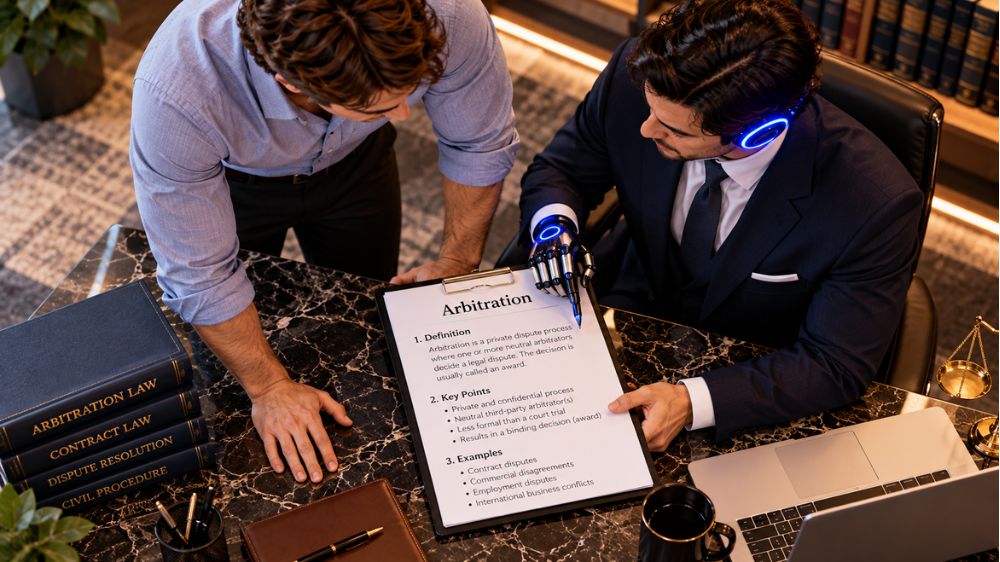
"The startup revised its dispute resolution clause to require a 20-day negotiation period before either party could request mediation."
What Is a Dispute Resolution Clause?
A dispute resolutionLegal DisputeA legal dispute is a disagreement or controversy involving claimed legal rights, duties, liabilities, property, or remedies. It can be resolved through negotiation, mediation, arbitration, administrative proceedings, litigation, or settlement depending on the...View definition clause is a contract provision that explains how the parties will handle disagreements about their agreement. It may require a conversation between designated managers, a structured mediationAlternative Dispute ResolutionAlternative Dispute Resolution, or ADR, includes negotiation, mediation, arbitration, settlement conferences, and other processes used outside ordinary trial adjudication. Each method differs in neutrality, confidentiality, party control, binding effect, cost, and review.View definition , an arbitration, a court case, or several steps in sequence. The clause can also set deadlines, locations, procedures, and cost-sharing rules.
For example, a marketing agency and its client might agree to discuss an unpaid invoice within 15 days, attempt mediation next, and then bring a claim in a named court. That process gives both sides a roadmap if negotiations stall.
Cornell Law School’s Legal Information Institute explains alternative dispute resolution, including negotiation, mediation, and arbitration.
Standard Dispute Resolution Clause — Sample Contract Language
Illustrative language only: "The parties will first give written notice describing the dispute and attempt good-faith negotiation for 20 days. If unresolved, they will attempt mediation with a mutually selected neutral. If no settlement is reached within 45 days after the mediation request, either party may pursue the forum identified in this agreement."
Why Do Contracts Include Dispute Resolution Clauses?
Disagreements can arise even when the original relationship was productive. A customer may dispute an invoice, while the supplier believes all milestones were accepted. Without an agreed process, the parties may argue about procedure before addressing the actual issue.
A dispute clause can clarify where to begin, whom to contact, and what happens if the first step fails. It can also reduce uncertainty about the applicable forum and help preserve business relationships.
What Are the Common Dispute Resolution Methods?
Most clauses use one or more of four approaches: direct negotiation, mediation with a neutral facilitator, arbitration before a private decision-maker, and litigation in court. They serve different purposes. A negotiated settlement gives parties flexibility, whereas arbitration and litigation can produce binding decisions.
The agreement should identify each required method and whether the parties must complete earlier steps before moving forward.
How Does a Negotiation or Escalation Step Work?
An escalation step requires representatives to discuss the dispute before a formal proceeding. It might start with written notice and a meeting between project managers. If unresolved, the issue moves to executives authorized to settle it.
Make the process workable. Specify how to send notice, how quickly a meeting must happen, and when either party can advance to the next step. Avoid an open-ended obligation to negotiate forever.
How Does Mediation Fit Into a Dispute Clause?
Mediation uses a neutral person to help parties explore settlement. The mediatorMediationMediation is a structured negotiation process where a neutral mediator helps parties try to resolve a dispute. The mediator generally does not impose a decision, so a settlement usually occurs only when the...View definition normally does not impose a decision. The process can work well for disputes about relationships, changing project scope, or misunderstandings about performance.
A clause can specify how the mediator is chosen, how fees are shared, and whether the meeting may be remote. Learn more in our mediation glossary entry.
When Is Arbitration Used?
Arbitration is a more formal process in which an arbitratorArbitrationArbitration is a private dispute process where a neutral arbitrator decides a legal dispute and usually issues an award. Binding arbitration often provides more flexible procedures but much narrower judicial review than ordinary...View definition or panel decides a dispute. Awards are often binding, and judicial reviewAdministrative CourtAdministrative Court is a broad term for administrative tribunals that adjudicate disputes within agency systems. Federal administrative adjudication can involve ALJs, agency review, exhaustion requirements, and later judicial review under the Administrative Procedure...View definition is generally limited. Contracts may specify an arbitration provider, its rules, the seat of arbitration, and the number of arbitrators.
Arbitration can offerOffer and AcceptanceOffer and Acceptance describes how parties manifest mutual assent to a contract. A valid offer gives another party power to accept, while acceptance must objectively communicate assent through an authorized method, subject to...View definition specialized decision-makers, but fees and limited appealCourt of AppealsA court of appeals is a court that reviews decisions from lower courts. Federal courts of appeals usually examine the existing record for legal error rather than conducting a new trial or hearing...View definition options may matter. Review our arbitration guide before accepting an arbitration provision.
Does a Dispute Resolution Clause Prevent a Lawsuit?
Some clauses require arbitration for covered claims and limit access to ordinary court proceedings. Others identify a court as the final forum. A negotiation or mediation requirement alone does not automatically mean that court is unavailable.
The exact language, scope of the claim, and governing lawBoilerplate ClauseA boilerplate clause is standardized contract language addressing recurring legal mechanics such as notice, assignment, governing law, waiver, severability, and integration.View definition influence what a party may file and where. Certain statutory claims may be subject to additional limits or protections.
What Should the Clause Say About Notice?
The parties need to know when a dispute officially starts. A clause may require a written description of the issue, relevant contract provisions, requested relief, and supporting documents. It should also identify the correct email or mailing address.
Be careful when the clause has strict filing or response deadlines. Those deadlines may operate alongside statutory limitation periods, not necessarily replace them.
Who Pays for Mediation or Arbitration?
The contract may allocate mediator fees, arbitration administration costs, legal feesAttorney's FeesAttorney's fees are legal-service charges that generally remain each party's responsibility under the American Rule unless a statute, contract, rule, or exception authorizes fee shifting.View definition , and expert expenses. It might split neutral fees equally or defer allocation until a decision. Each approach affects bargaining power.
For a small invoice dispute, an expensive formal procedure can be impractical. Compare likely claim sizes against the selected provider’s fee structure. Mandatory rules may limit some fee terms, especially in consumer or employment settings.
Where Will the Dispute Be Heard?
Location matters when parties work in different states or countries. A clause may select a city for arbitration hearings or name the courts with authority over the case. Remote proceedings can be an option, but the provision should address them if they are important.
The court or arbitral seat is a different question from which jurisdiction’s substantive law applies. Our jurisdiction overview explains the distinction.
Dispute Resolution Clause vs. Governing Law
A governing law provisionChoice of Law ClauseA Choice of Law Clause selects the jurisdiction's substantive law intended to govern a contract or dispute. Courts often honor reasonable governing-law provisions, but conflict-of-laws rules, mandatory statutes, public policy, clause scope, and...View definition identifies the law used to interpret a contract. A dispute resolution provision establishes the process and forum for resolving a disagreement. The two terms often appear together, but they do different jobs.
For instance, an agreement might apply Delaware law while requiring arbitration in Chicago. Whether that combination is appropriate depends on the transaction and enforceability rules.
What Is a Multi-Step Dispute Resolution Clause?
Multi-step or tiered clauses can begin with notice, then executive negotiation, then mediation, followed by arbitration or litigation. This encourages early settlement without eliminating a final method if talks fail.
Problems arise when parties cannot identify the date each stage ends. Use clear time limits and describe what happens if a participant refuses to attend or a neutral cannot be appointed.
Can a Clause Allow Urgent Court Relief?
Some agreements preserve the right to seek temporary court orders for urgent concerns, such as threatened disclosure of confidential informationNon Disclosure Agreement (NDA)A non disclosure agreement, or NDA, is a contract that protects specified confidential information. It limits who may receive the information and often restricts how the recipient may use or share it.View definition . These exceptions should be narrow enough to avoid undermining the overall process.
Read the exception alongside any injunction and confidentialityEmployment ContractAn employment contract is an agreement defining terms of an employer-employee relationship. It can cover duties, compensation, benefits, equity, confidentiality, intellectual property, restrictive covenants, termination, severance, and dispute procedures while remaining subject to...View definition provisions. The availability of emergency reliefEx ParteEx Parte refers to a one-sided request, proceeding, or communication. Courts permit ex parte relief only in authorized circumstances, while professional-conduct rules generally bar private communications with judges unless law or court order...View definition still depends on the applicable legal requirements.
Dispute Resolution Clause Example
Illustrative language only: “The parties will first give written notice describing the dispute and attempt good-faith negotiation for 20 days. If unresolved, they will attempt mediation with a mutually selected neutral. If no settlement is reached within 45 days after the mediation request, either party may pursue the forum identified in this agreement.”
This example needs tailoring. A real agreement should identify the forum, procedural rules, notice addresses, permitted emergency relief, and allocation of costs.
What Are Common Drafting Mistakes?
- Requiring mediation without explaining how to choose a mediator.
- Leaving negotiation periods open-ended.
- Naming conflicting courts or arbitration providers in separate documents.
- Ignoring fee rules and the cost of small claims.
- Failing to address remote participation or cross-border disputes.
- Using ambiguous wording about whether arbitration is mandatory.
Compare the clause with the service agreement and every attached schedule for conflicting procedures.
How Can a Small Business Review This Clause?
Start with a practical scenario: a customer owes $5,000 and disputes the work. Ask where you would file, what it would cost, and how long the contract makes you negotiate before taking action. Then consider a more serious scenario, such as misuse of confidential data.
Check whether the clause gives both parties meaningful access to a remedyCause of ActionA Cause of Action is a recognized set of legal elements supporting a right to judicial relief. Its elements can arise from statutes, constitutions, regulations, or case law, and the claimant generally must...View definition . A process that looks balanced on paper may be hard to use if the travel or filing cost exceeds the claim.
Can AI Help Identify Dispute Resolution Risks?
Contract reviewLegal Document ReviewLegal document review is the structured examination of documents for relevant facts, obligations, legal risk, privilege, evidence, and required action.View definition tools can extract negotiation periods, arbitration requirements, forum names, cost language, and emergency exceptions. AI can also compare provisions across a master agreement and a statement of workMaster Service Agreement (MSA)A Master Service Agreement, or MSA, sets recurring legal and commercial terms for an ongoing service relationship. The parties can then use SOWs, order forms, or schedules for project-specific scope, pricing, deliverables, and...View definition to find inconsistencies.
However, whether a dispute clause is enforceable requires legal analysisLegal MemorandumA legal memorandum is an organized written analysis of a legal issue based on facts, research, and relevant authority. It typically frames the question, states a brief answer, presents material facts, analyzes governing...View definition of the contract, facts, and jurisdiction. Use AI to organize a review, then validate consequential legal conclusions.
Frequently Asked Questions About Dispute Resolution Clauses
Is a dispute resolution clause legally binding?
It may be, subject to contract formation, applicable law, and any special statutory protections. The enforceability of a particular clause cannot be assumed without review.
What if the other side refuses mediation?
Check the clause’s next-step mechanism. It may allow the case to proceed after a deadline or require a court or arbitrator to address noncompliance.
Is arbitration always cheaper than court?
No. Arbitration expenses vary with the provider, arbitrator fees, claim complexity, and discoveryCivil CourtCivil court is a general term for a court handling noncriminal disputes involving people, businesses, organizations, or government entities. Civil cases can involve contracts, injuries, property, employment, civil rights, and other disputes and...View definition . Some cases cost more than litigation.
Can parties negotiate a different process after a dispute starts?
They often can agree to modify their approach, subject to the contract and applicable law. Document the change clearly.
Key Takeaway
A dispute resolution clause tells parties what to do when a contract relationship breaks down. The best review looks beyond the named process to deadlines, costs, forum selection, exceptions, and whether the procedure is realistic for the likely disputes.